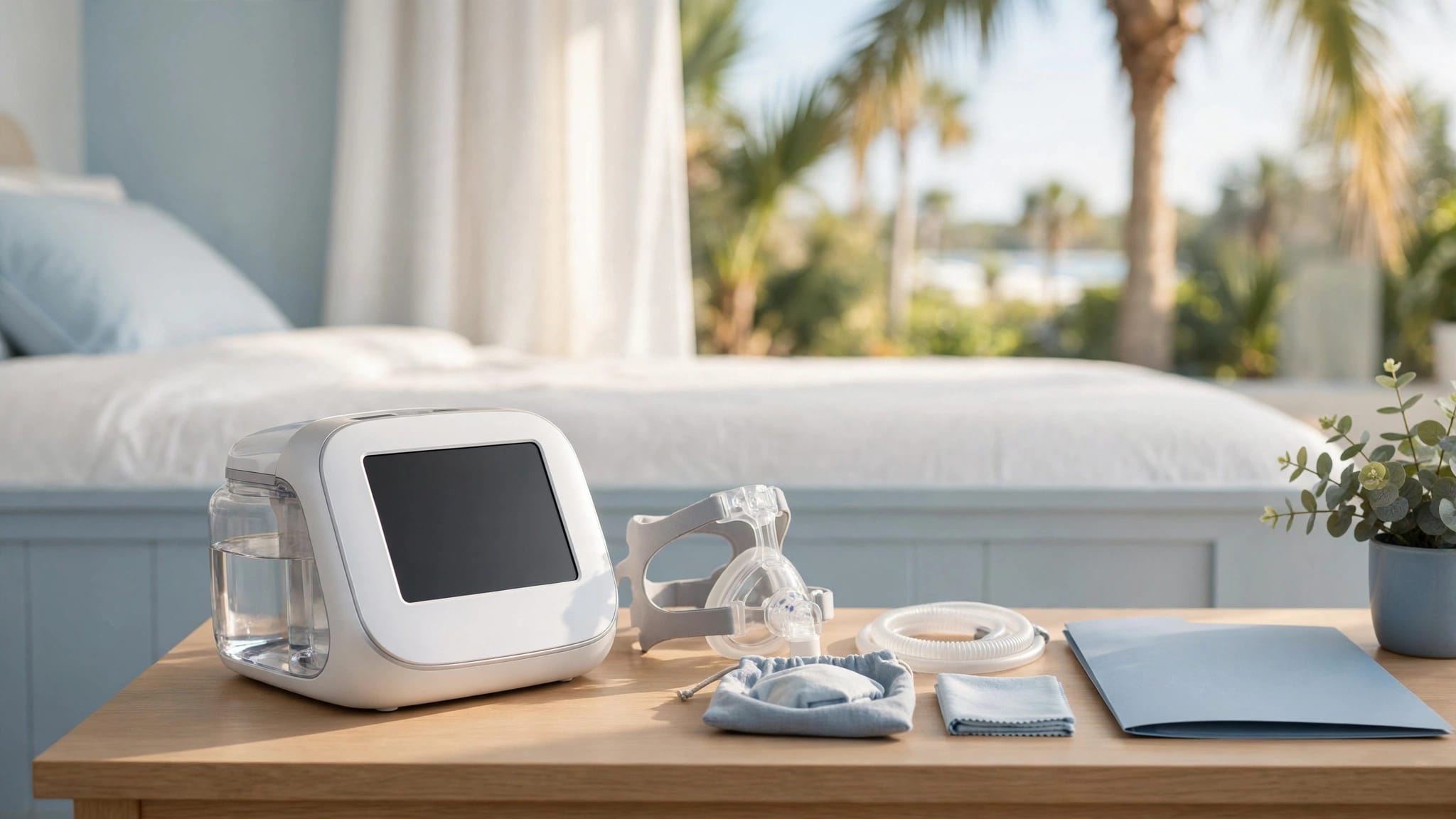



Does Florida Health Insurance Cover Home Health Care?
Yes, Florida health insurance can cover home health care when you meet your plan's requirements. Coverage depends on the type of insurance and the care you need, particularly whether it's skilled medical care or help with daily activities.
Medicare, Florida Medicaid, and private plans use different rules for eligibility and costs. Understanding those differences can help you plan for care at home.
Key takeaways for Florida residents
Florida home health coverage often includes medically necessary nursing or therapy, but a doctor's order alone doesn't guarantee payment. The plan may also require an approved agency or prior authorization.
Original Medicare generally pays the full cost of covered home health services, while equipment can have separate costs. Florida Medicaid and private insurance have their own benefit and cost-sharing rules.
Help with bathing, meals, or housekeeping may be limited or excluded when it's the only care needed.
What home health insurance may cover
Home health care is medical care delivered at home under a treatment plan. Depending on the insurance and your needs, it can include visits from a nurse, a therapist, or a home health aide.
Skilled nursing and therapy
A skilled nurse might provide wound care or teach a patient and family how to manage an illness. Physical therapy can help with mobility after an injury or surgery. Speech-language therapy may address communication or swallowing difficulties.
Some plans also cover occupational therapy, which helps people work on everyday activities after illness or injury. Coverage for each service depends on the plan's medical-necessity requirements and limits.
Personal care and household help
Home health aides can assist with bathing, dressing, and other daily activities. However, an insurance plan may cover those visits only when you also receive qualifying skilled care.
Housekeeping, meal preparation, and companionship are often treated differently from medical services. Medicare, for example, doesn't pay for homemaker or personal care when that's the only care you need.
A covered nursing visit doesn't automatically mean ongoing help with meals or dressing is covered too.
How Original Medicare covers home health care
Original Medicare covers eligible home health services under Part A and Part B. A hospital stay isn't always required, but you must meet the benefit's conditions.
Eligibility and covered services
Generally, you must be homebound and need part-time or intermittent skilled nursing, physical therapy, or speech-language pathology services. A doctor or other eligible health care provider must order your care and certify that you meet the requirements. The agency must be Medicare-certified.
Homebound doesn't mean you can never leave home. Medicare allows absences for medical treatment and certain other short or infrequent outings.
Covered care can include skilled nursing, therapy, medical social services, and limited aide services when you also receive qualifying skilled care. Occupational therapy can continue coverage in some circumstances, though it generally can't establish eligibility on its own.
What you pay under Original Medicare
You pay $0 for covered home health services under Original Medicare. Covered durable medical equipment, such as a walker, generally has 20% coinsurance after the Part B deductible.
Medicare doesn't cover 24-hour care at home under this benefit. The Medicare home health coverage page explains the eligibility rules and services in more detail.
If you have Medicare Advantage, your plan must cover Medicare's home health benefit, but its network, authorization, and cost-sharing rules can differ.
How Florida Medicaid covers care at home
Florida Medicaid covers medically necessary home health visits for eligible recipients of all ages. The Florida Agency for Health Care Administration's home health policy includes skilled nursing and home health aide services.
Orders, authorization, and visit limits
Florida Medicaid generally requires a physician's order and a qualifying medical need. State policy also addresses limitations in daily activities and whether care can be delivered safely in an authorized setting.
The state's intermittent home health visit policy lists these daily limits:
| Recipient | Intermittent visit limit |
|---|---|
| Under age 21 | Up to four visits |
| Pregnant and age 21 or older | Up to four visits |
| Nonpregnant and age 21 or older | Up to three visits |
These are limits for the home health visit benefit, not a promise that every recipient qualifies for the maximum. Authorization requirements also apply. The state's policy describes authorization at least every 60 days, or sooner when a change in condition calls for different services.
Costs and other Medicaid services
Florida's home health visit policy lists a $2 copayment, with exemptions and possible waivers under managed care plans. Your Medicaid category and plan affect whether you owe it.
Florida also identifies private duty nursing and personal care for eligible recipients under 21 as separate services. Those benefits have their own rules, so the intermittent visit limits in the table shouldn't be applied to them.
What private Florida health plans may cover
Private insurance can include home health benefits, but the details depend on the policy. Employer coverage and individual Marketplace plans may use different definitions, networks, and approval processes.
Marketplace plans cover essential health benefits, including rehabilitation services. That doesn't establish one uniform home health benefit or visit limit for every plan.
Examples from 2026 Florida plans
Ambetter Value's 2026 evidence of coverage describes medically necessary in-network home health care when a physician determines that the member can't travel to a medical office. It includes skilled nursing and limited aide services under a qualifying skilled order, with prior authorization.
Florida Health Care Plans' 2026 individual handbook describes physician-directed, intermittent or part-time home care. Its terms include prior authorization, a contracted agency, and an approved treatment plan.
Why plan details matter
Those examples show how two policies can define home care differently. Neither set of terms applies to every Florida plan.
A policy may limit the number of visits, require an in-network agency, or cover an aide only alongside skilled care. Short-term and limited-benefit policies can have different exclusions, so their home health benefits shouldn't be assumed to match comprehensive coverage.
What home health care might cost you
A covered benefit can still leave you with a bill. With private insurance, your share may include a deductible, a copayment for each visit, or coinsurance based on the covered amount.
For example, if a plan applies coinsurance to home nursing, your share depends on the plan's percentage and allowed amount. The monthly premium is separate from those visit costs.
Also look at the plan's out-of-pocket maximum. Eligible in-network cost sharing generally counts toward that limit, but premiums and services the plan doesn't cover generally don't. Out-of-network charges can follow different rules.
Equipment can appear on a separate claim from nursing visits. Likewise, if you arrange extra household or personal care outside the covered treatment plan, you may need to pay for it yourself. Our health insurance questions and answers cover more common terms that affect plan costs.
How to understand your plan's home health benefits
The most useful starting point is your plan's evidence of coverage, certificate of coverage, or member handbook. Use the document for the policy and plan year that apply to you.
Read the benefit alongside its limits
Find the section titled "home health care" or "home health services." Read the covered services together with the exclusions and definitions, rather than relying on a short benefit summary.
Look for the terms attached to the care you need: skilled nursing, physical therapy, home health aide visits, or medical equipment. The document may state a visit limit, require a treatment plan, or explain when care is considered medically necessary.
Next, find the cost-sharing section. A visit limit and a copay answer different questions: one affects how much care the policy covers, and the other affects what you pay for a covered visit.
Follow the network and approval rules
The plan's provider directory can identify participating home health agencies. For Original Medicare, the agency must be Medicare-certified. A private plan or Medicare Advantage plan may have its own network requirements.
Read the authorization section before care begins. Some plans require approval in advance, and a doctor's order doesn't automatically replace that approval. Keep copies of the order, treatment plan, and any authorization notice with your insurance records.
If you receive ongoing treatment and a provider leaves your network, our guide to continuity of care after a network change explains options that may apply.
What happens if a home health claim is denied?
A denial notice should give a reason and explain how to appeal. Common issues include missing authorization, a disputed medical-necessity determination, or a service the plan treats as excluded.
Read the notice alongside the relevant benefit language. Keep the bill, the explanation of benefits, the provider's order, and any authorization documents together. Those records can help you identify whether the dispute concerns coverage, paperwork, or how the claim was processed.
Appeal deadlines and procedures depend on the type of coverage. Follow the instructions in your notice, including any process for an expedited appeal when a delay could seriously affect your health.
Frequently asked questions
Does Medicare pay for a caregiver at home?
Medicare may cover limited home health aide services when you qualify for home health care and also receive skilled services. It doesn't pay for personal care alone or around-the-clock caregiving under the home health benefit.
Can Medicaid pay for more than nursing visits?
Yes. Florida Medicaid has separate benefits for certain other services, including private duty nursing and personal care for eligible recipients under 21. Eligibility, authorization, and limits differ from those for intermittent home health visits.
Does a doctor's order guarantee coverage?
No. An order can be required, but the service must also meet the insurance plan's other conditions. Those may include medical necessity, authorization, an eligible agency, and applicable visit limits.
Choosing coverage for care at home
Florida home health coverage can make nursing or therapy at home more affordable. The amount you pay depends on the benefit, the agency, and your plan's rules.
When comparing plans, give special attention to the care you expect to need. At Castellanos Health Solutions, we can help you compare health insurance options from multiple carriers through a free consultation.
Recent Posts