


Does Florida Health Insurance Cover Urgent Care Visits?

Castellanos Health Solutions • October 25, 2026

Share this article

Yes, many Florida health insurance plans cover urgent-care visits, but coverage depends on your specific policy, the clinic's network status, and the services you receive. A covered visit can still leave you with a copay, deductible, or coinsurance .

Florida urgent care coverage isn't identical across insurers or plans. Understanding the benefit and its limits helps you avoid mistaking "covered" for "free." Start with how your plan classifies urgent care.

Key Takeaways

  • Urgent-care benefits and patient costs vary by plan.
  • An in-network clinic can reduce your expenses, but tests and procedures may have separate charges.
  • Emergency-room protections don't automatically apply to routine urgent-care visits.
  • Your benefit documents and insurer's member services explain how coverage applies.

What Determines Florida Urgent Care Coverage?

Your insurance policy sets the benefit

Comprehensive employer and individual health plans commonly include benefits for outpatient treatment of illnesses and injuries. However, they can apply different payment rules to urgent care.

Marketplace plans cover broad categories of essential health benefits, but that doesn't establish one statewide urgent-care copay. When comparing Florida ACA Marketplace health plans, consider the urgent-care benefit alongside the monthly premium.

Limited-benefit and supplemental policies work differently. An accident policy or hospital indemnity plan isn't a substitute for comprehensive medical coverage.

The clinic's network status matters

Your insurer's contract with a clinic affects coverage and the negotiated price. An out-of-network visit may cost more or lack coverage, depending on your policy.

Even clinics within the same chain can have different network arrangements. The exact location and your particular plan matter.

A clinic saying it "accepts" your insurance doesn't necessarily mean it participates in your plan's network.

What You May Pay for an Urgent-Care Visit

There's no single urgent-care price for everyone insured in Florida. Your share depends on the benefit structure and the care provided.

Copays, deductibles, and coinsurance

A copay is a fixed charge for a covered service. Some plans apply an urgent-care copay before you meet the deductible; others require deductible payments first.

A deductible is the amount you pay for certain covered services before the plan begins sharing those costs. Coinsurance is your percentage of the covered charge, usually after any applicable deductible.

HealthCare.gov's explanation of total health care costs describes how these expenses differ from your monthly premium. Paying premiums keeps coverage active; it doesn't eliminate charges when you receive treatment.

Tests and annual spending limits

An urgent-care copay may cover the evaluation without covering every service at that price. X-rays, laboratory tests, medications, or procedures may carry separate cost-sharing.

Eligible payments for covered, in-network care generally count toward your annual out-of-pocket maximum. Premiums, noncovered services, and many out-of-network expenses don't.

For 2026 Marketplace coverage, the federal maximum is $10,600 for individual coverage and $21,200 for family coverage. Plans may set lower limits. Our explanation of what counts toward your out-of-pocket maximum separates eligible expenses from costs outside that protection.

Urgent Care Versus Emergency-Room Care

Urgent care treats problems that need prompt attention but aren't life-threatening, such as minor cuts, sprains, or some infections. An emergency department handles potentially life-threatening conditions and serious injuries.

For chest pain, stroke symptoms, severe breathing difficulty, or uncontrolled bleeding, call 911. Don't delay emergency treatment to compare prices or locate an in-network clinic.

Insurance rules also differ. As HealthCare.gov's emergency-care coverage guidance explains, plans subject to federal emergency-care rules generally can't require prior approval for emergency services. Covered out-of-network emergency care generally receives in-network cost-sharing protections.

Those protections don't automatically extend to ordinary out-of-network urgent care. They also don't erase your deductible or other patient costs.

A freestanding emergency department is an ER, even if it resembles a walk-in clinic. Its billing can differ substantially from urgent-care billing.

How to Understand Coverage and Costs Before a Visit

For non-emergency care, the Summary of Benefits and Coverage provides a starting point. Its urgent-care entry shows the plan's basic cost-sharing, while exclusions and policy documents explain additional conditions.

Your insurer's member services can use your member ID and the clinic's exact location to explain network participation and benefits. A useful request is: "What would I owe for an urgent-care evaluation here, and how are X-rays or lab tests charged?"

The answer should address whether the deductible applies, your remaining deductible, and separate testing benefits. An estimate isn't a guarantee because the final claim depends on the actual services and billing.

After treatment, the explanation of benefits shows the insurer's allowed amount, payment, and assigned patient responsibility. It isn't itself a bill.

Frequently Asked Questions

Can I visit urgent care before meeting my deductible?

Yes, meeting your deductible isn't a prerequisite for seeking treatment. However, your plan may require you to pay the negotiated covered charges until you meet it. Other plans apply a copay to urgent care before the deductible is satisfied.

Does urgent care count as preventive care?

A visit to diagnose or treat symptoms generally isn't preventive care. Even when a plan covers qualifying preventive services without patient cost-sharing, that rule doesn't automatically make an urgent-care evaluation, diagnostic test, or treatment free.

Choose Coverage With Urgent-Care Costs in Mind

Urgent-care coverage is useful when the clinic, treatment, and payment rules fit your plan. The strongest comparison considers total costs , rather than the premium or advertised copay alone.

We help Florida individuals and families compare health insurance options with those differences in mind. For emergencies, immediate medical care takes priority over insurance questions.

Recent Posts

By Castellanos Health Solutions • October 31, 2026
Yes, Florida health insurance can cover home health care when you meet your plan's requirements. Coverage depends on the type of insurance and the care you need, particularly whether it's skilled medical care or help with daily activities. Medicare, Florida Medicaid, and priva...

By Castellanos Health Solutions • October 30, 2026
Yes, most comprehensive private health plans in Florida cover medically necessary outpatient surgery, but coverage doesn't mean the procedure is free. Your outpatient surgery coverage depends on the operation, plan rules, provider network, and cost-sharing requirements . Emplo...

By Castellanos Health Solutions • October 29, 2026
Florida health plans require a specialist referral when the policy makes primary care approval a condition of coverage. This is common with HMOs, while PPOs and many EPOs allow direct specialist appointments. Florida specialist referrals depend on your exact plan , not just th...
By Castellanos Health Solutions • October 28, 2026
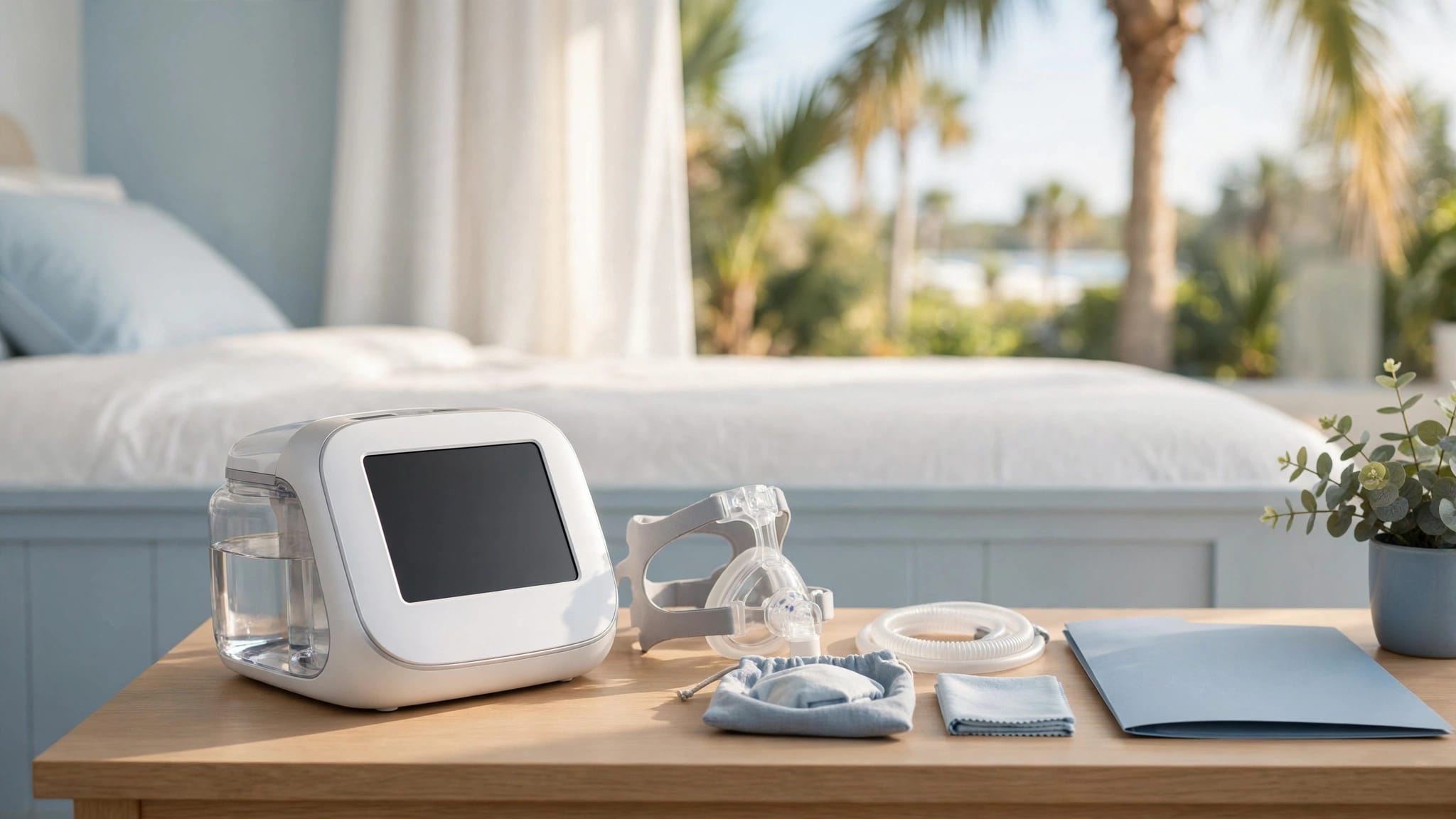
Yes, private health insurance in Florida can cover prescribed CPAP equipment, but coverage depends on your specific plan. CPAP insurance coverage may include the machine and certain supplies, with deductibles, supplier restrictions, and approval requirements affecting what you...

By Castellanos Health Solutions • October 27, 2026
Yes, ACA-compliant individual and small-group health plans in Florida cover maternity and newborn care. However, short-term insurance and limited-benefit policies don't offer the same protections. When choosing maternity coverage in Florida, the biggest differences are often y...

By Castellanos Health Solutions • October 26, 2026
Yes, many private health plans in Florida cover physical therapy, but benefits depend on your specific policy and medical necessity . Physical therapy coverage can still involve deductibles, copays, approval requirements, and visit limits. A covered benefit doesn't mean every...

By Castellanos Health Solutions • October 24, 2026
Some private health plans cover hearing aids, while others exclude the devices or offer limited benefits. In Florida, hearing aid insurance coverage depends on your exact policy, including any separate hearing benefit. A covered hearing test doesn't automatically mean the plan...

By Castellanos Health Solutions • October 23, 2026
To find an in-network lab, start with your insurer's directory for your exact plan, then review the location and ordered tests with member services. Network participation and test coverage are separate , so a doctor's order alone doesn't settle both. For Florida residents, a f...

By Castellanos Health Solutions • October 22, 2026
A sudden illness or injury can send you to the nearest emergency department, not the hospital in your plan's network. Florida emergency room coverage depends on your specific plan, but federal protections generally apply to emergency care even when the hospital is out of netwo...

By Castellanos Health Solutions • October 21, 2026
An MRI or CT scan can lead to a large bill if you don't know how your plan handles imaging. MRI coverage in Florida depends on your specific policy, the reason for the scan, the imaging center, and whether the plan's approval steps are complete. A scan may be covered but still...
Show More