

Find an In-Network Lab Before Scheduling Bloodwork

Castellanos Health Solutions • October 23, 2026

Share this article

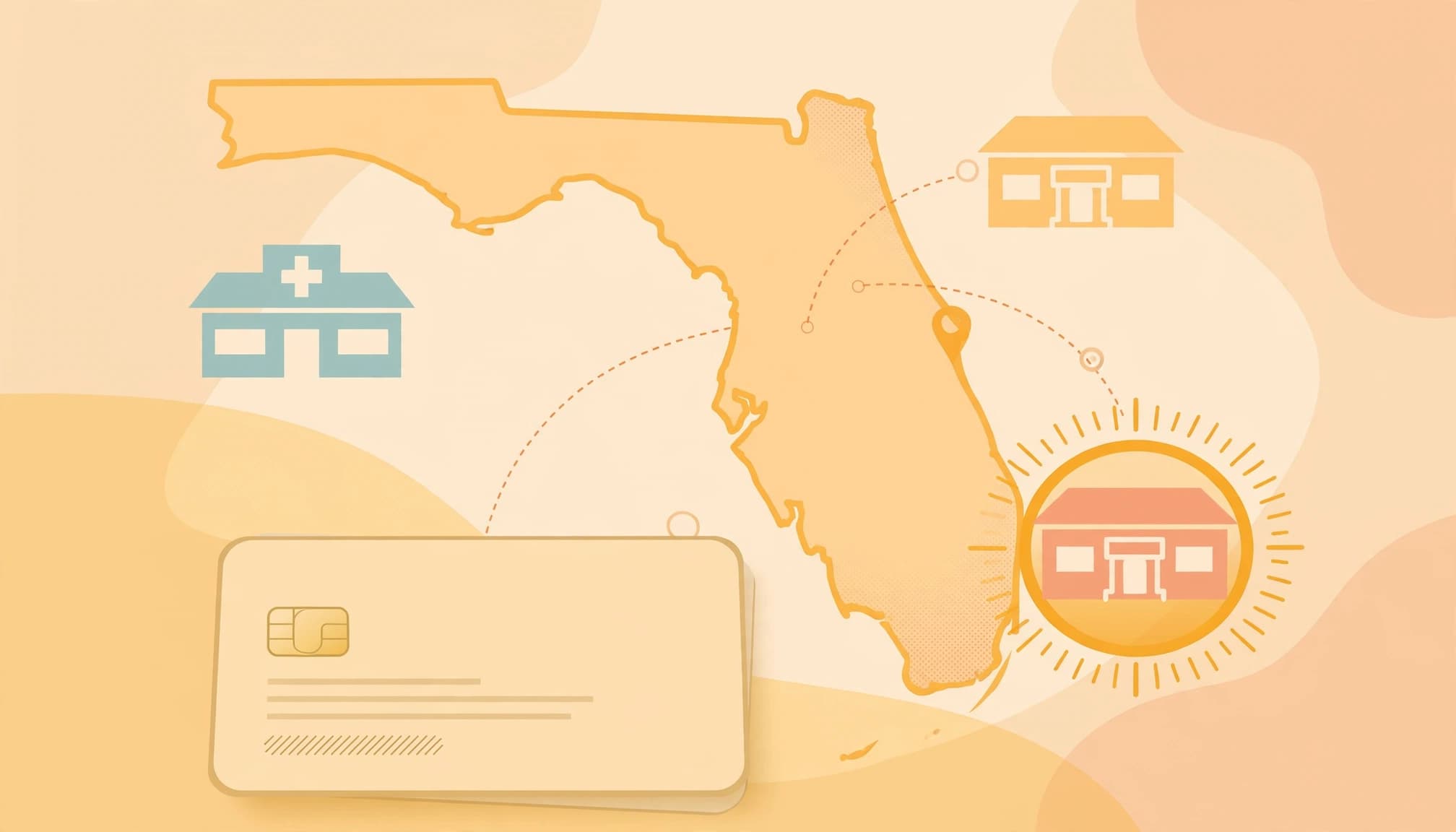
To find an in-network lab, start with your insurer's directory for your exact plan, then review the location and ordered tests with member services. Network participation and test coverage are separate , so a doctor's order alone doesn't settle both.

For Florida residents, a familiar facility or an "insurance accepted" message can leave important coverage questions unanswered. Start with your current insurance information and lab order so you can address those questions before scheduling.

Key Takeaways

  • A laboratory must participate in your specific plan's network, not simply work with your insurance company.
  • The collection location and any separate processing laboratory can affect how your bloodwork is billed.
  • Coverage depends on your individual plan, the ordered services, and applicable requirements. A directory listing or advance estimate doesn't guarantee payment.

Find an In-Network Lab in Your Plan's Directory

Your insurer's member portal is the starting point because it connects the search to your enrolled coverage. A general internet search may show laboratories that work with the carrier but don't participate in your network.

Search under your exact plan

Sign in using your current insurance information. Then search the provider directory under categories such as "laboratory," "lab services," or "diagnostic services."

Use the network name associated with your coverage. Insurers can offer multiple networks, and a laboratory's participation can differ between them.

HealthCare.gov's explanation of health plan and network types describes how network arrangements differ. For example, an HMO generally restricts nonemergency coverage outside its network, while PPOs generally offer out-of-network benefits at additional cost.

Match the collection location

Compare the directory entry with the address where you intend to have blood drawn. Save the listing, including the network name and date you searched.

Also distinguish an independent collection center from a hospital outpatient department or doctor's office. Similar services can involve different billing arrangements.

If you're comparing Cape Coral plans and provider networks, include access to routine laboratory services alongside your doctors and facilities. A nearby collection site is useful only when it fits your coverage.

Match Your Lab Order to the Coverage Question

A network search addresses the provider relationship. Your lab order supplies the information needed to discuss the services themselves.

Gather the complete order

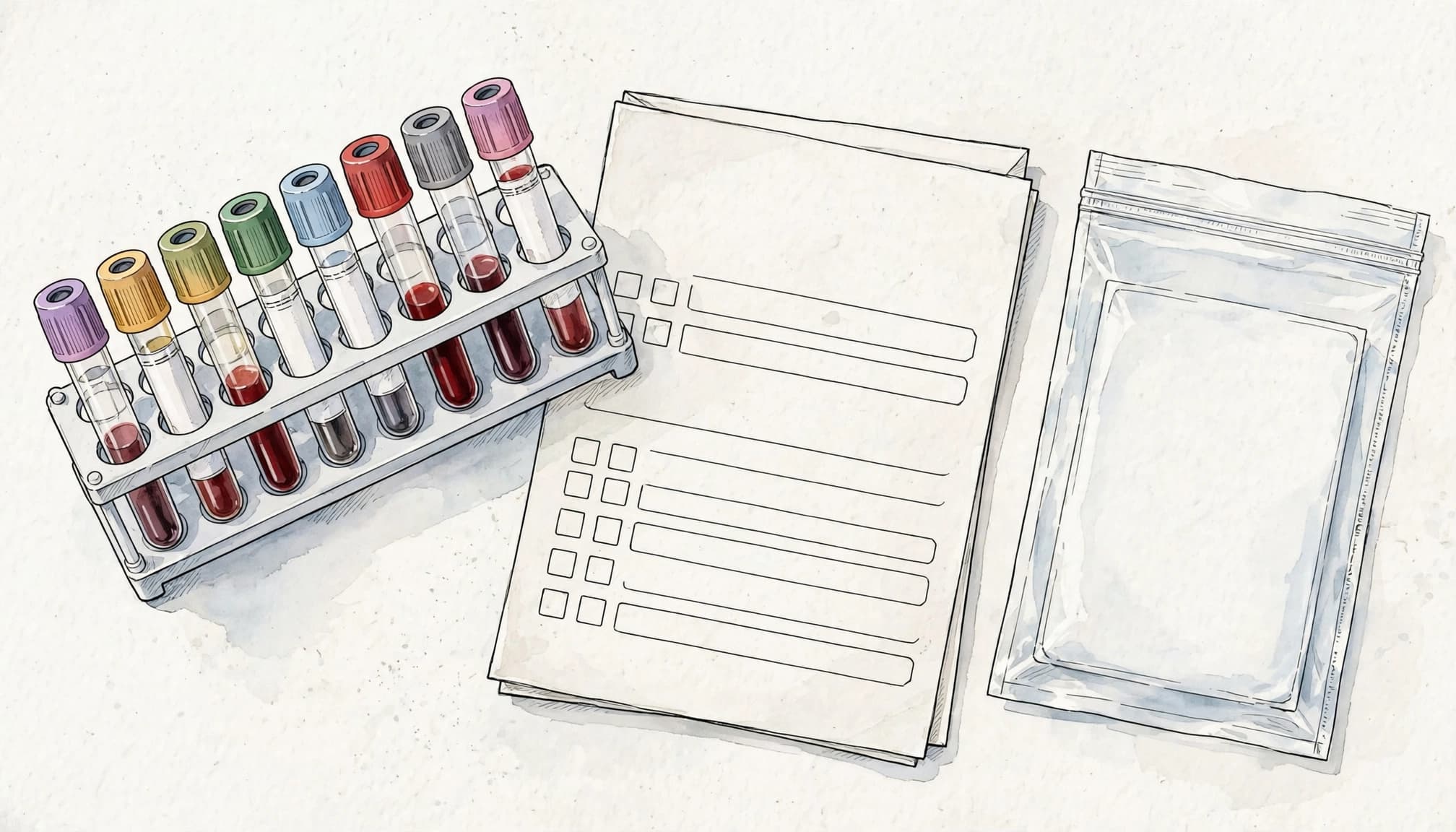
Have the order available before contacting member services. It should identify the ordering clinician and the requested tests.

Use the test names as written rather than describing everything as "annual bloodwork." That phrase can refer to different services, and it doesn't establish how your plan treats them.

If the order includes a panel, have the complete panel name available. Multiple tests on one order don't necessarily share identical coverage rules.

The reason for testing also matters. Screening, investigating symptoms, and monitoring an existing condition can involve different benefit rules.

Separate collection from processing

The place that draws your blood may send the sample to another laboratory. Therefore, network participation at the collection site doesn't answer every billing question.

Include any processing laboratory identified on the order in your conversation with the insurer. If the destination is unspecified, tell member services that the routing information isn't available.

The goal is to distinguish who collects the sample, who performs the testing, and which services your plan covers.

Use Member Services to Resolve Coverage Requirements

Call the member-services number on your insurance card with your directory result and order nearby. Ask the representative to review your actual benefits rather than describe the insurer's general laboratory policy.

Ask about orders, referrals, and authorization

A lab order, referral, and prior authorization have different purposes. The order requests testing. A referral directs care under a plan's rules. Prior authorization is advance approval that a plan may require.

HealthCare.gov defines prior authorization as approval that may be necessary before receiving a service.

Ask whether your plan requires a referral for the ordered services, whether the ordering clinician meets plan requirements, and whether authorization applies. If authorization is required, ask who submits it and whether approval must be in place before collection.

An order doesn't replace required authorization, and authorization doesn't guarantee claim payment.

Ask for a plan-specific response

A useful opening is:

"Please review this laboratory address under my current network, then review the tests on my order for coverage requirements and my expected share of the cost."

Ask the representative to distinguish provider participation from service coverage. Also ask whether the answer applies to both collection and processing when separate organizations are involved.

Record the representative's name, call date, reference number, and stated requirements. If secure messaging is available, a written response can make the information easier to retain.

Understand the Possible Bill

An in-network lab can still generate a patient balance. Your share depends on the plan's benefit structure, the services billed, and your accumulated spending under the plan.

Request an estimate for the ordered services

Ask whether the insurer offers a member cost-estimator tool or can provide an estimate during the call. Use the laboratory location and the complete order, rather than a general description of a blood draw.

The estimate should identify what it includes. Collection, processing, and other separately billed services may not appear together.

Also ask whether the facility setting changes your responsibility. A hospital-based collection site may have a different billing arrangement than an independent laboratory.

Don't assume an annual visit makes every test preventive

A preventive appointment doesn't automatically make every service ordered during that visit preventive. The purpose of each service and your plan's applicable rules determine its treatment.

Similarly, a low monthly premium doesn't establish what you'll owe for testing. Compare your potential spending when you use care, not only the amount paid to keep the policy active.

Treat an advance estimate as a planning tool. The final claim depends on the services performed and the information submitted.

Your Pre-Scheduling Lab Checklist

Use this checklist to organize the insurer conversation and keep the answers together.

  1. Open the directory for your current plan and network, using your member login when available.
  2. Match the laboratory's listed address to the intended collection location, and save the dated result.
  3. Have the complete order ready, including all requested test names and the ordering clinician.
  4. Ask member services to review network participation for collection and any identified processing laboratory.
  5. Review the ordered services individually for benefit restrictions, referral requirements, and prior authorization.
  6. Request an estimate of your responsibility and ask which services or charges it excludes.
  7. Keep the call reference, written responses, directory result, and any required approval with your order.

Keep network and benefit answers separate in your notes. That makes an unresolved issue easier to identify without repeating the entire conversation.

If required approval remains pending, coordinate timing with the ordering clinician rather than assuming the appointment itself completes the insurance process.

When the Directory and Phone Answers Disagree

A directory listing and a member-services response can conflict. Ask the representative to review the saved listing against your network name, the laboratory's billing identity, and the intended service date.

Request escalation when the first representative can't explain the discrepancy. A written response tied to the actual location is more useful than a general statement that the insurer works with laboratories.

Keep the original listing rather than replacing it with newer notes. That record may help explain what information you relied on if a claim dispute develops.

Florida's Division of Consumer Services offers help with insurance concerns. The appropriate complaint route depends on the coverage involved, so identify the policy type when seeking assistance.

For medically time-sensitive bloodwork, discuss scheduling with the ordering clinician. Don't delay necessary testing solely because an insurance question remains unresolved.

Frequently Asked Questions

Does "we accept your insurance" mean the lab is in-network?

That statement alone doesn't establish network participation. A laboratory may accept insurance information and submit a claim without having a contract with your particular network.

The relevant answer identifies your plan and the billing laboratory. This distinction matters even when you've used the same insurance company or collection site before.

Can the doctor's office choose the laboratory?

An order may name a destination laboratory, but the clinician's choice doesn't establish your insurance benefits. Your doctor and the laboratory can have different network relationships.

When the destination conflicts with your network information, ask the ordering clinician about routing the order to a participating laboratory that can perform the requested services.

Where can Florida residents get help understanding their coverage?

Your insurer handles plan-specific questions about networks, service benefits, and claims. Florida's health insurance consumer FAQs provide additional guidance about coverage and assistance resources.

When you're shopping for a different plan, we offer free consultations to compare options. Laboratory access belongs in that discussion alongside your doctors, prescriptions, and budget.

Schedule With a Clear Coverage Record

Finding a participating laboratory is only one part of preparing for bloodwork. Your order, the billing arrangement, and your plan's requirements also shape what happens when the claim arrives.

Before scheduling, aim for a documented, plan-specific answer about the location and requested services. Keep that record with your order, while remembering that advance information doesn't guarantee coverage or the final amount owed.

Recent Posts

By Castellanos Health Solutions • October 31, 2026
Yes, Florida health insurance can cover home health care when you meet your plan's requirements. Coverage depends on the type of insurance and the care you need, particularly whether it's skilled medical care or help with daily activities. Medicare, Florida Medicaid, and priva...

By Castellanos Health Solutions • October 30, 2026
Yes, most comprehensive private health plans in Florida cover medically necessary outpatient surgery, but coverage doesn't mean the procedure is free. Your outpatient surgery coverage depends on the operation, plan rules, provider network, and cost-sharing requirements . Emplo...

By Castellanos Health Solutions • October 29, 2026
Florida health plans require a specialist referral when the policy makes primary care approval a condition of coverage. This is common with HMOs, while PPOs and many EPOs allow direct specialist appointments. Florida specialist referrals depend on your exact plan , not just th...
By Castellanos Health Solutions • October 28, 2026
Yes, private health insurance in Florida can cover prescribed CPAP equipment, but coverage depends on your specific plan. CPAP insurance coverage may include the machine and certain supplies, with deductibles, supplier restrictions, and approval requirements affecting what you...

By Castellanos Health Solutions • October 27, 2026
Yes, ACA-compliant individual and small-group health plans in Florida cover maternity and newborn care. However, short-term insurance and limited-benefit policies don't offer the same protections. When choosing maternity coverage in Florida, the biggest differences are often y...

By Castellanos Health Solutions • October 26, 2026
Yes, many private health plans in Florida cover physical therapy, but benefits depend on your specific policy and medical necessity . Physical therapy coverage can still involve deductibles, copays, approval requirements, and visit limits. A covered benefit doesn't mean every...

By Castellanos Health Solutions • October 25, 2026
Yes, many Florida health insurance plans cover urgent-care visits, but coverage depends on your specific policy, the clinic's network status, and the services you receive. A covered visit can still leave you with a copay, deductible, or coinsurance . Florida urgent care covera...

By Castellanos Health Solutions • October 24, 2026
Some private health plans cover hearing aids, while others exclude the devices or offer limited benefits. In Florida, hearing aid insurance coverage depends on your exact policy, including any separate hearing benefit. A covered hearing test doesn't automatically mean the plan...

By Castellanos Health Solutions • October 22, 2026
A sudden illness or injury can send you to the nearest emergency department, not the hospital in your plan's network. Florida emergency room coverage depends on your specific plan, but federal protections generally apply to emergency care even when the hospital is out of netwo...

By Castellanos Health Solutions • October 21, 2026
An MRI or CT scan can lead to a large bill if you don't know how your plan handles imaging. MRI coverage in Florida depends on your specific policy, the reason for the scan, the imaging center, and whether the plan's approval steps are complete. A scan may be covered but still...
Show More