



Are Hearing Aids Covered by Private Health Plans?

Castellanos Health Solutions • October 24, 2026

Share this article

Some private health plans cover hearing aids, while others exclude the devices or offer limited benefits. In Florida, hearing aid insurance coverage depends on your exact policy, including any separate hearing benefit.

A covered hearing test doesn't automatically mean the plan will pay for hearing aids, batteries, or repairs. These can be separate benefits , with different limits and costs. Start by distinguishing the device benefit from the services you need before and after a fitting.

Key Takeaways

  • Private hearing aid benefits vary by policy, so the insurance company's name alone doesn't establish coverage.
  • Exams, hearing aids, fittings, batteries, repairs, and follow-up visits may fall under different coverage rules.
  • Provider networks, benefit limits, replacement schedules, and prior authorization can affect what the plan pays.
  • Original Medicare, Medicare Advantage, and Florida Medicaid have different hearing coverage rules that shouldn't be applied to private employer or Marketplace plans.

How Private Health Plans Handle Hearing Coverage

Private insurance doesn't offer one standard hearing benefit. The policy may provide device coverage, a limited allowance, access to discounted pricing, or no hearing aid benefit.

Employer-sponsored health insurance

An employer's benefits package determines the available hearing coverage. Two people insured by the same company can have different benefits because their employers selected different plans.

A hearing benefit may also operate through a separate administrator or designated provider network. As a result, the network used for regular medical appointments may differ from the hearing benefit's network.

The plan's certificate, benefit booklet, or summary plan description identifies covered devices and services. Age restrictions matter, too. A benefit described for children shouldn't be assumed to cover adults.

Individual and Marketplace plans

For individual coverage, including Marketplace insurance, covered office visits and diagnostic testing don't automatically establish a hearing aid benefit. The device must qualify under the policy's terms.

When comparing Florida ACA Marketplace health plans, weigh hearing needs alongside premiums, prescriptions, and other expected care. A lower monthly premium can leave you paying more if the services you need aren't covered.

Also distinguish an insurance payment from a discount. Discounted hearing aid pricing doesn't necessarily mean the insurer contributes toward the purchase.

Separate Hearing Aids From Other Hearing Services

Hearing care involves several services, and a plan may treat each differently. A claim paid for an evaluation doesn't establish coverage for everything recommended afterward.

These are the main benefit categories to separate.

Part of hearing care How coverage can differ
Diagnostic hearing exam May qualify under medical benefits even when hearing aids are excluded.
Hearing aid evaluation and fitting May fall under a hearing benefit rather than diagnostic testing.
Hearing aid devices May have dollar limits, approved models, or replacement restrictions.
Batteries and charging accessories May be excluded or limited to items supplied with the device.
Repairs and replacement May depend on benefit terms, warranties, or the reason for replacement.
Follow-up care May be bundled with the fitting or billed separately.

The important distinction is what the payment includes . A device price and a complete hearing-care package aren't necessarily equivalent.

For example, programming and adjustment visits may be included in a provider's package. However, that package doesn't establish whether insurance covers those services.

Read the hearing services section together with the policy's exclusions. This helps separate a covered medical evaluation from an excluded device purchase. It also identifies whether ongoing care uses the same allowance as the hearing aids themselves.

How Benefit Limits Affect Your Out-of-Pocket Costs

Even when hearing aids are covered, the benefit may pay only part of the expense. Your share depends on both the coverage limit and the plan's cost-sharing rules.

Device allowances and replacement schedules

A hearing aid allowance is the amount available under the benefit. A replacement schedule controls how often another device qualifies. These are different restrictions.

The wording should identify whether an allowance applies per ear, per device, or to both ears combined. It should also describe whether the benefit operates by calendar year or another period.

Replacement rules can apply even when a hearing aid stops meeting your needs. Coverage for a lost, damaged, or malfunctioning device may also differ from routine replacement.

Deductibles, copays, and uncovered charges

A covered purchase can still involve a deductible, copayment, or coinsurance. You may also owe amounts above the benefit's limit or the cost of an upgrade the plan doesn't cover.

A higher-priced model doesn't automatically receive a larger insurance contribution.

Reaching your medical out-of-pocket maximum doesn't turn an excluded hearing aid into a covered benefit.

Our guide to what counts toward your out-of-pocket maximum explains why paying a health-related bill doesn't necessarily move you closer to that limit.

Before purchasing, obtain an itemized estimate separating the device, fitting, follow-up visits, accessories, and expected insurance payment. That breakdown is more useful than a single package price.

Provider Networks and Approval Rules Matter

Coverage depends on more than whether hearing aids appear in the benefit booklet. The provider, purchase process, and required approvals can also affect payment.

The right provider for the right benefit

A clinic that accepts your insurance for diagnostic testing may not participate in its hearing aid purchasing program. Network participation and device coverage are separate questions.

Confirm the audiologist or hearing aid provider's participation for your exact plan and service. Include the location, because an organization's participation doesn't necessarily apply to every office.

Also identify whether the plan requires purchases through a designated hearing administrator. Buying elsewhere could affect reimbursement even when the device itself qualifies.

Referrals and prior authorization

A referral directs you to another provider. Prior authorization is the insurer's review before a service or purchase. Some plans require one, both, or neither.

A doctor's recommendation doesn't replace a required authorization. Approval also doesn't override exclusions, benefit limits, or eligibility requirements.

Your plan documents should identify any referral or authorization requirement. Before the fitting or purchase, confirm who submits the request and whether approval covers the evaluation, the devices, or both.

Keep written benefit information, authorization details, and the itemized estimate together. They help explain differences between the expected payment and the processed claim.

Medicare Hearing Benefits Work Differently

Medicare rules shouldn't be used to predict benefits under an employer or Marketplace policy. There is also an important distinction between Original Medicare and Medicare Advantage.

Original Medicare: devices versus diagnostic exams

Original Medicare doesn't cover hearing aids or exams for fitting them. According to Medicare's hearing aid coverage rules, beneficiaries pay the full cost of those noncovered services.

However, Part B covers qualifying diagnostic hearing and balance exams ordered by a physician or another qualified healthcare provider. The purpose is to determine whether medical treatment is needed.

Under Medicare's diagnostic hearing exam benefits, you generally pay 20% of the Medicare-approved amount after meeting the Part B deductible. A hospital outpatient copayment may also apply.

That diagnostic benefit doesn't create coverage for the hearing aids recommended afterward.

Medicare Advantage: plan-specific hearing benefits

Medicare Advantage plans are offered by private insurers within Medicare. Some include additional hearing benefits, but coverage isn't uniform.

A plan may distinguish a routine hearing exam from a device allowance and impose separate purchasing requirements. Its network and replacement rules also matter.

For Florida residents comparing Medicare Advantage options, the useful comparison is the complete hearing benefit. An exam benefit alone doesn't describe what the plan contributes toward devices or ongoing care.

Florida Medicaid Is a Separate Coverage Path

Florida Medicaid follows its own eligibility and hearing services policies. These benefits aren't requirements for private employer or Marketplace insurance.

Under the state's Florida Medicaid hearing services policy, eligible recipients with moderate hearing loss or greater can receive one new, complete, non-refurbished hearing aid per ear every three years.

The policy also addresses assessment, fitting and dispensing, and repairs, subject to its terms. That distinction matters because device eligibility and payment for related services aren't interchangeable.

For someone enrolled in a Medicaid managed care plan, the applicable program benefits and the plan's administrative requirements work together. A private insurance allowance shouldn't be used to estimate Medicaid benefits, or vice versa.

Frequently Asked Questions

Does a doctor's recommendation guarantee hearing aid coverage?

No. A recommendation can support medical necessity, but the policy must include the relevant benefit. The device must also meet applicable coverage requirements. A recommendation doesn't remove an exclusion, increase a benefit allowance, or replace prior authorization when the plan requires it.

Are over-the-counter hearing aids automatically covered?

No. Being available without a prescription doesn't establish an insurance benefit. Payment depends on the policy's rules for eligible devices, sellers, and claims. A plan that provides hearing aid benefits may still require a particular purchasing process rather than reimbursement for any retail purchase.

What can I do if a hearing aid claim is denied?

Start with the denial notice and explanation of benefits. Identify whether the issue involves an exclusion, missing authorization, network status, or billing information. Then follow the plan's appeal instructions and deadline. Include relevant benefit language, clinical documentation, authorization records, and purchase details that address the stated reason.

Conclusion: Compare the Complete Hearing Benefit

Hearing aid insurance coverage depends on the policy, the services involved, and the rules attached to each benefit. A covered exam is only one part of that picture.

Compare the complete cost of care , including devices, fittings, follow-up visits, and uncovered expenses. Read the plan documents and confirm the network, limits, approvals, and expected payment before purchasing.

We offer free consultations to help Florida residents compare health plans and understand how their benefits fit their needs.

Recent Posts

By Castellanos Health Solutions • October 31, 2026
Yes, Florida health insurance can cover home health care when you meet your plan's requirements. Coverage depends on the type of insurance and the care you need, particularly whether it's skilled medical care or help with daily activities. Medicare, Florida Medicaid, and priva...

By Castellanos Health Solutions • October 30, 2026
Yes, most comprehensive private health plans in Florida cover medically necessary outpatient surgery, but coverage doesn't mean the procedure is free. Your outpatient surgery coverage depends on the operation, plan rules, provider network, and cost-sharing requirements . Emplo...

By Castellanos Health Solutions • October 29, 2026
Florida health plans require a specialist referral when the policy makes primary care approval a condition of coverage. This is common with HMOs, while PPOs and many EPOs allow direct specialist appointments. Florida specialist referrals depend on your exact plan , not just th...
By Castellanos Health Solutions • October 28, 2026
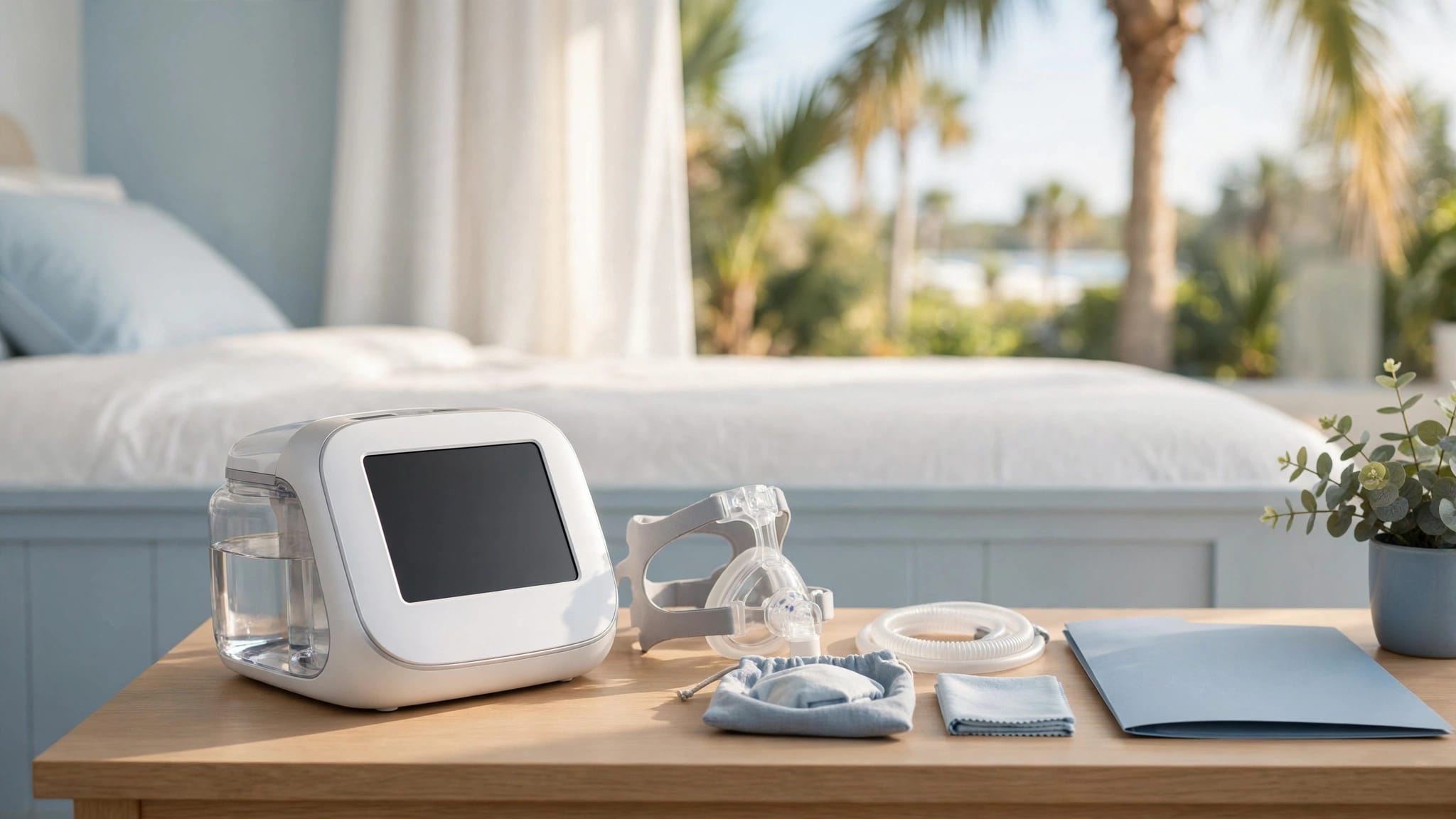
Yes, private health insurance in Florida can cover prescribed CPAP equipment, but coverage depends on your specific plan. CPAP insurance coverage may include the machine and certain supplies, with deductibles, supplier restrictions, and approval requirements affecting what you...

By Castellanos Health Solutions • October 27, 2026
Yes, ACA-compliant individual and small-group health plans in Florida cover maternity and newborn care. However, short-term insurance and limited-benefit policies don't offer the same protections. When choosing maternity coverage in Florida, the biggest differences are often y...

By Castellanos Health Solutions • October 26, 2026
Yes, many private health plans in Florida cover physical therapy, but benefits depend on your specific policy and medical necessity . Physical therapy coverage can still involve deductibles, copays, approval requirements, and visit limits. A covered benefit doesn't mean every...

By Castellanos Health Solutions • October 25, 2026
Yes, many Florida health insurance plans cover urgent-care visits, but coverage depends on your specific policy, the clinic's network status, and the services you receive. A covered visit can still leave you with a copay, deductible, or coinsurance . Florida urgent care covera...

By Castellanos Health Solutions • October 23, 2026
To find an in-network lab, start with your insurer's directory for your exact plan, then review the location and ordered tests with member services. Network participation and test coverage are separate , so a doctor's order alone doesn't settle both. For Florida residents, a f...

By Castellanos Health Solutions • October 22, 2026
A sudden illness or injury can send you to the nearest emergency department, not the hospital in your plan's network. Florida emergency room coverage depends on your specific plan, but federal protections generally apply to emergency care even when the hospital is out of netwo...

By Castellanos Health Solutions • October 21, 2026
An MRI or CT scan can lead to a large bill if you don't know how your plan handles imaging. MRI coverage in Florida depends on your specific policy, the reason for the scan, the imaging center, and whether the plan's approval steps are complete. A scan may be covered but still...
Show More