
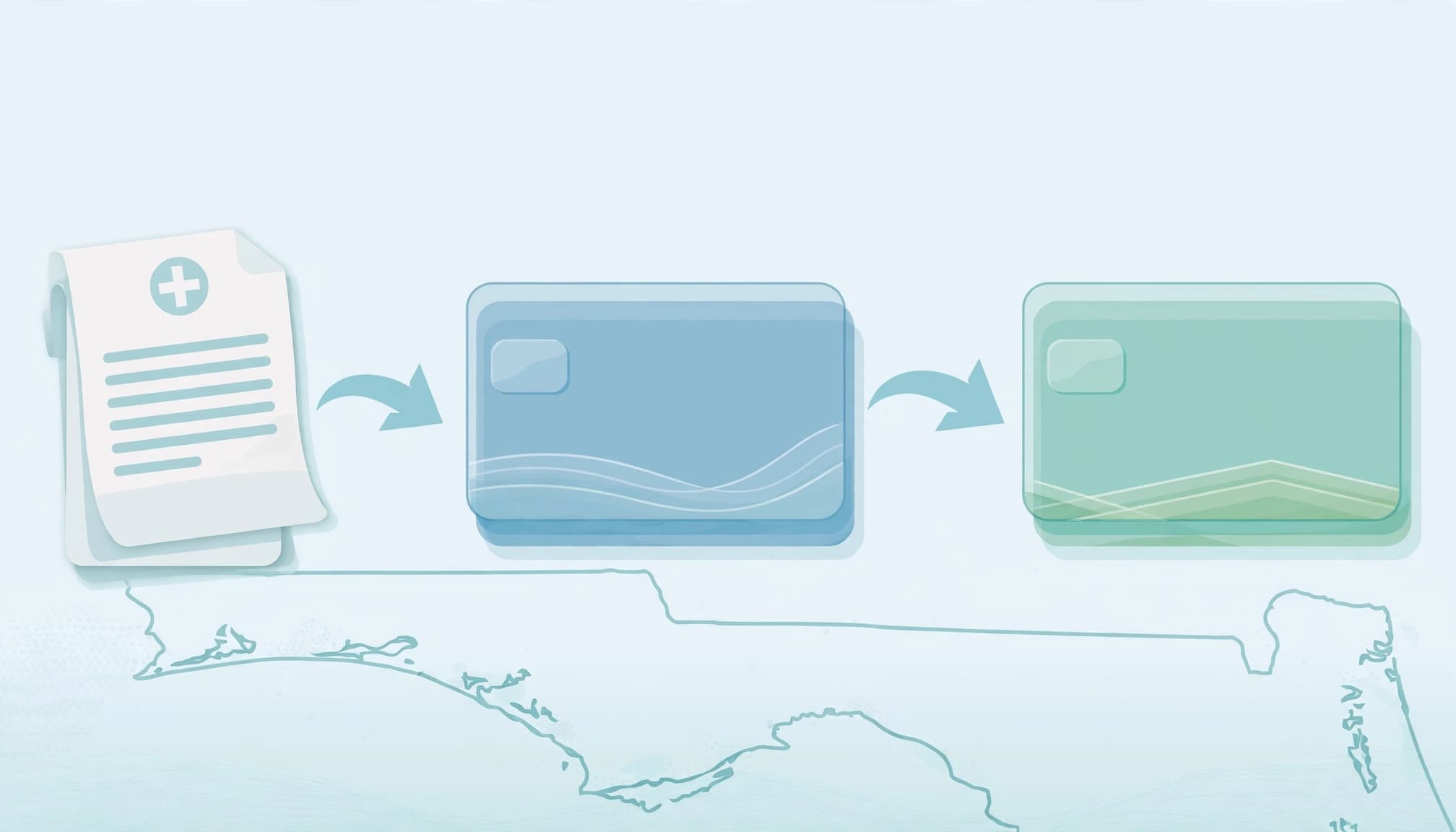


Florida Coordination of Benefits: Who Pays First?

Castellanos Health Solutions • October 13, 2026

Share this article

When two health plans cover you, a doctor's bill usually goes through them in a set order. Understanding Florida coordination of benefits helps you know which insurer processes a claim first and what to do if the payment stalls.

The basic rule is simple: the primary plan processes the claim first, then the secondary plan considers any remaining eligible costs under its own terms. Florida-specific rules apply in certain situations, while Medicare and Medicaid follow separate rules.

Key Takeaways

  • Primary coverage pays first. The secondary plan reviews the claim after the primary plan processes it.
  • Secondary coverage doesn't guarantee that every remaining charge will be paid.
  • Florida law sets a birthday rule for certain group plans covering a child through both parents.
  • Florida Medicaid is generally the payer of last resort when another insurer is responsible.
  • Tell both plans about the other coverage, then track the claim through each insurer's explanation of benefits.

What coordination of benefits means

Primary and secondary coverage

Coordination of benefits, often shortened to COB, is the process insurers use to decide the order in which multiple health plans process a claim. The primary plan receives and adjudicates the claim first. The secondary plan then considers the primary plan's decision and applies its own benefits, network rules, exclusions, and cost-sharing terms.

For example, if you have coverage through your job and are also covered under your spouse's plan, one plan may be primary and the other secondary. The ordering depends on the situation and the plans involved. Don't assume that the plan with the higher premium or broader network automatically pays first.

What the secondary plan may pay

After the primary plan processes a covered service, it sends an explanation of benefits (EOB) showing what it allowed, paid, or left to you. The secondary plan uses that information to determine whether it will pay anything more.

The secondary plan may pay some eligible costs, but it doesn't automatically cover the entire balance. Its own deductible, copays, coinsurance, benefit limits, and exclusions still apply. A service the primary plan doesn't cover may also be excluded by the secondary plan.

Florida rules for children and Medicaid

The birthday rule for a child on both parents' plans

Florida law requires coordination provisions in certain group health policies and plans issued or delivered in the state. When a child is covered by both parents' group plans, the plan of the parent whose birthday comes earlier in the calendar year is generally determined first. Only the month and day matter, not the year.

If both parents share the same birthday, the plan that has covered the parent longer is generally determined first. The rule applies to the types of group plans described in Florida's coordination-of-benefits statute. It shouldn't be treated as a universal rule for every kind of insurance or public program.

Florida Medicaid is usually the payer of last resort

If you have Florida Medicaid and another plan, such as employer coverage or Medicare, the other liable plan generally pays before Medicaid. Providers must pursue available third-party coverage before billing Medicaid for the covered cost. AHCA describes this process in its Florida Medicaid third-party liability requirements.

Tell your provider and the plans about all active coverage. If Medicaid receives a claim before the other insurer has processed it, the claim may need to be billed again in the correct order. Florida Medicaid's provider handbook describes provider responsibilities for third-party coverage.

When Medicare and employer insurance overlap

Current employment can determine the payer order

For someone age 65 or older with group health insurance based on current employment, the employer plan is generally primary when the employer has 20 or more employees. This can apply to coverage through your own current job or a spouse's current job.

For Medicare based on disability, a qualifying large-group health plan is generally primary when the employer has 100 or more employees. These thresholds relate to Medicare payer rules, not Florida's birthday rule. The Centers for Medicare & Medicaid Services' Medicare Secondary Payer guidance explains the main categories.

End-stage renal disease has a separate rule

When a person with end-stage renal disease has group health coverage during Medicare's 30-month coordination period, the group health plan generally pays first during that period. This rule applies regardless of employer size or whether the coverage comes from current employment.

Because Medicare payer order depends on why you qualify for Medicare and what other coverage you have, report coverage changes promptly. Medicare's guide to how it works with other insurance outlines common situations and contacts for questions about payer order.

Marketplace plans, job coverage, and supplemental insurance

Report a job-based offer if you have Marketplace coverage

If you have a Marketplace plan and then receive an offer of insurance through work, update your coverage information. The offer may affect whether you qualify for Marketplace savings. HealthCare.gov's job-based coverage guidance explains how an employer offer can affect eligibility.

A Marketplace plan and a job-based plan don't automatically work together in a way that makes every bill cheaper. Before keeping overlapping coverage, understand each plan's coordination terms and how the change may affect any savings. You can review Florida Marketplace coverage options as you compare your choices.

Supplemental policies usually work differently

Accident, hospital indemnity, and critical illness policies are generally supplemental coverage, not a second major medical plan. Depending on the policy, they may pay a fixed cash benefit to you after a covered event. That benefit can help with costs such as a deductible, but it doesn't mean the supplemental policy will process your doctor's medical claim as a secondary health insurer.

If you split time between Florida and another state, network access is a separate issue from coordination. A second policy doesn't automatically make a local plan cover routine out-of-area care. Review each plan's service area and out-of-network terms.

How to set up coordination before care

Read the sections about other coverage

Look in the plan documents for headings such as "Coordination of Benefits," "Other Coverage," or "Third-Party Liability." Note how the plan decides payer order, what information it needs, and whether it requires the primary plan's EOB before reviewing a claim.

Check both plans, not only the one you expect to pay first. Their rules may differ, and the secondary plan still applies its own coverage requirements. If you need help understanding general Florida insurance terms, our Florida health insurance questions and answers cover related topics.

Notify both insurers and your provider

Give each insurer accurate information about every active health plan, including the policyholder, member ID, and coverage dates. Update the information when a plan starts or ends. Also tell the provider's billing office which plans cover you and ask it to list them in the correct order.

Keep notes on when you reported the coverage and whom you spoke with. If a plan requests documents, send them promptly and keep copies. This can prevent a claim from sitting while the insurer waits for details about the other policy.

How to follow a claim through both plans

Start with the primary plan

For a routine covered service, the provider usually submits the claim to the primary plan first. Once it processes the claim, review the EOB for the service date, allowed amount, plan payment, and any amount assigned to you. An EOB is not a bill, so compare it with the provider's statement before paying.

If the claim doesn't appear, contact the provider's billing office to ask whether it was submitted and to which plan. For a denial, read the reason before deciding what to do next. The insurer may need information about the other coverage, a corrected claim, or additional records.

Send the primary decision to the secondary plan

After the primary plan issues its decision, the provider may forward the claim to the secondary plan. If that doesn't happen, ask the secondary plan whether you or the provider must submit the claim and the primary EOB.

Then review the secondary plan's EOB separately. It should show how the plan applied its own benefits to the claim. If a balance remains, compare the provider's bill with both EOBs and ask the billing office to explain any amount that doesn't match.

Keep a simple claim record

For each claim, save the provider bill, both EOBs, insurer letters, and any appeal or submission confirmation. Record the claim number and the date each plan received the paperwork. If one insurer says the other should pay first, ask which coordination rule it applied and request the explanation in writing.

When the plans disagree about payer order, contact both insurers and ask what information would resolve the issue. For Medicare, use the contacts in Medicare's coordination materials. For Florida Medicaid, the provider can follow AHCA's third-party liability process.

Frequently asked questions

Can two health plans pay the same medical bill?

They can both contribute to a covered claim, but the secondary plan applies its own terms after the primary plan adjudicates it. You shouldn't expect to receive more than the allowed costs or to have the remaining balance paid in full.

Do I need to tell my doctor about both plans?

Yes. Share both insurance cards and make sure the provider has the correct payer order. If the office bills the secondary plan first, the claim may be delayed or rejected.

Does the Florida birthday rule apply to my own coverage?

The birthday rule described here concerns a child covered under both parents' qualifying group plans. It doesn't set the payer order for every adult with two plans or for all public programs.

Is accident insurance my secondary health plan?

Usually, no. Accident and hospital indemnity coverage may pay a fixed benefit under the policy, while major medical plans process provider claims. The policy language determines the benefit and how to claim it.

Keep both plans informed

Coordination works best when each insurer knows about the other coverage and the claim follows the right order. Florida's birthday rule and Medicaid's payer-of-last-resort process address specific situations, while Medicare has its own federal rules.

Keep both EOBs with the provider's bill, and don't assume secondary coverage will pay every remaining charge. The written plan terms determine what each insurer pays.

Recent Posts

By Castellanos Health Solutions • October 31, 2026
Yes, Florida health insurance can cover home health care when you meet your plan's requirements. Coverage depends on the type of insurance and the care you need, particularly whether it's skilled medical care or help with daily activities. Medicare, Florida Medicaid, and priva...

By Castellanos Health Solutions • October 30, 2026
Yes, most comprehensive private health plans in Florida cover medically necessary outpatient surgery, but coverage doesn't mean the procedure is free. Your outpatient surgery coverage depends on the operation, plan rules, provider network, and cost-sharing requirements . Emplo...

By Castellanos Health Solutions • October 29, 2026
Florida health plans require a specialist referral when the policy makes primary care approval a condition of coverage. This is common with HMOs, while PPOs and many EPOs allow direct specialist appointments. Florida specialist referrals depend on your exact plan , not just th...
By Castellanos Health Solutions • October 28, 2026
Yes, private health insurance in Florida can cover prescribed CPAP equipment, but coverage depends on your specific plan. CPAP insurance coverage may include the machine and certain supplies, with deductibles, supplier restrictions, and approval requirements affecting what you...

By Castellanos Health Solutions • October 27, 2026
Yes, ACA-compliant individual and small-group health plans in Florida cover maternity and newborn care. However, short-term insurance and limited-benefit policies don't offer the same protections. When choosing maternity coverage in Florida, the biggest differences are often y...

By Castellanos Health Solutions • October 26, 2026
Yes, many private health plans in Florida cover physical therapy, but benefits depend on your specific policy and medical necessity . Physical therapy coverage can still involve deductibles, copays, approval requirements, and visit limits. A covered benefit doesn't mean every...

By Castellanos Health Solutions • October 25, 2026
Yes, many Florida health insurance plans cover urgent-care visits, but coverage depends on your specific policy, the clinic's network status, and the services you receive. A covered visit can still leave you with a copay, deductible, or coinsurance . Florida urgent care covera...

By Castellanos Health Solutions • October 24, 2026
Some private health plans cover hearing aids, while others exclude the devices or offer limited benefits. In Florida, hearing aid insurance coverage depends on your exact policy, including any separate hearing benefit. A covered hearing test doesn't automatically mean the plan...

By Castellanos Health Solutions • October 23, 2026
To find an in-network lab, start with your insurer's directory for your exact plan, then review the location and ordered tests with member services. Network participation and test coverage are separate , so a doctor's order alone doesn't settle both. For Florida residents, a f...

By Castellanos Health Solutions • October 22, 2026
A sudden illness or injury can send you to the nearest emergency department, not the hospital in your plan's network. Florida emergency room coverage depends on your specific plan, but federal protections generally apply to emergency care even when the hospital is out of netwo...
Show More