


Florida HMO vs PPO: Understanding Network Rules

Castellanos Health Solutions • September 30, 2026

Share this article

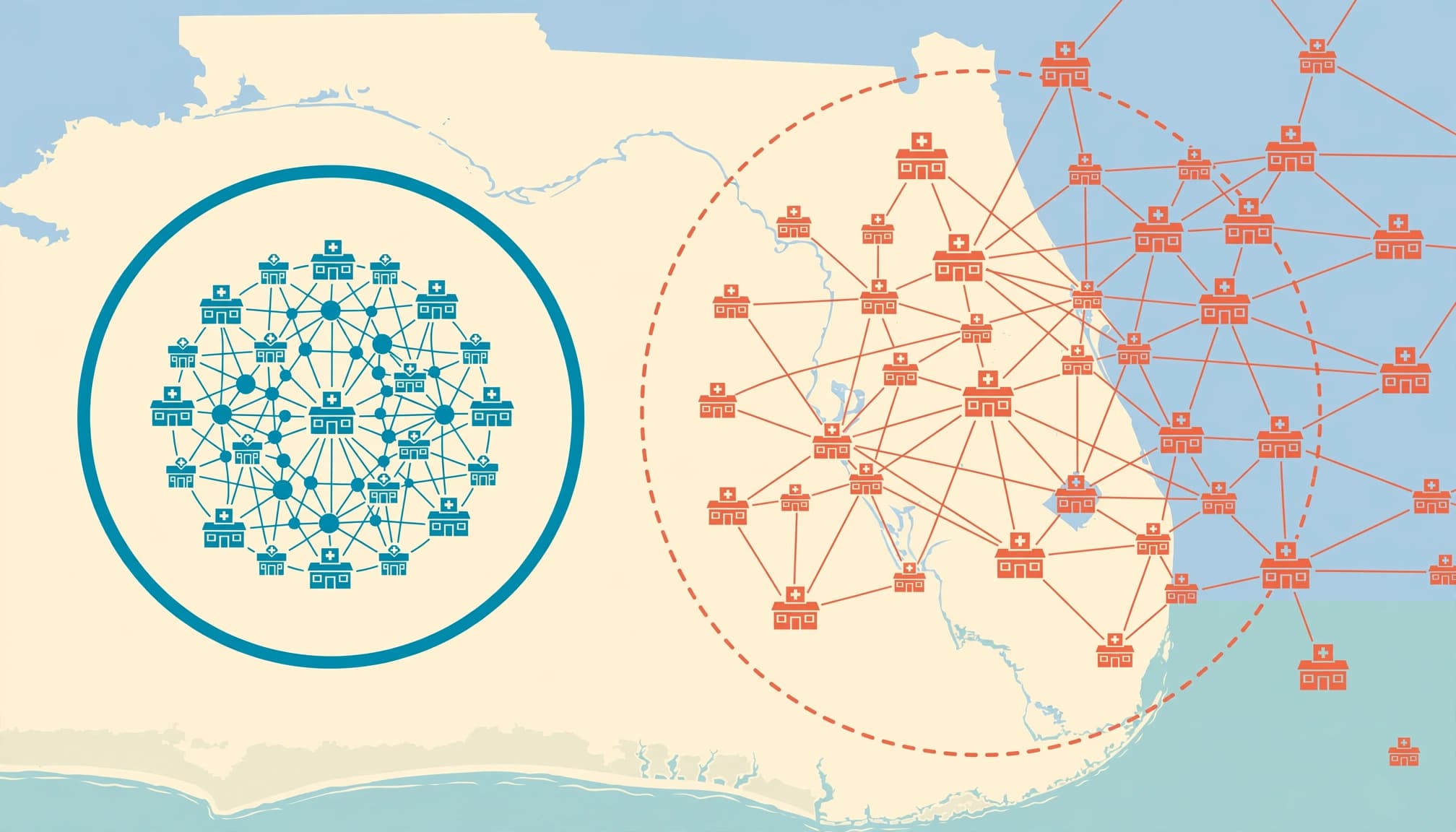
A health plan can fit your budget and still leave your doctor outside its network. When comparing Florida HMOs and PPOs, network access deserves as much attention as the monthly premium.

HMOs generally limit routine coverage to participating providers, while PPOs usually offer out-of-network benefits at higher costs. However, exact rules depend on the plan and whether you get coverage through HealthCare.gov, an employer, or another source.

Start with how each plan handles the care you expect to use.

Key Takeaways

  • HMOs generally cover routine care within their networks, with an exception for emergencies.
  • PPOs usually cover out-of-network care at a higher cost and don't require specialist referrals.
  • HMO referral requirements vary, so check your specific plan before scheduling specialist care.
  • Neither label guarantees that your preferred doctors participate or that routine care outside Florida is covered.
  • Your plan documents control benefits, exclusions, and cost-sharing requirements.

Florida HMO vs PPO: Network Rules at a Glance

A provider network includes doctors, hospitals, and other healthcare providers that contract with an insurer. Those contracts establish negotiated rates for covered services.

HealthCare.gov's health insurance network definitions describe HMOs as generally network-only for nonemergency care. PPOs allow out-of-network providers at additional cost, without a referral.

These are the usual differences, subject to the specific plan's terms.

Network rule HMO PPO
Routine in-network care Generally covered under plan terms Generally covered under plan terms
Routine out-of-network care Generally not covered Usually covered at higher cost
Primary care coordination Often requires a designated primary care doctor Usually offers more direct access
Specialist referrals May be required Generally not required
Emergency exception Generally covers out-of-network emergencies Generally covers emergencies

The biggest distinction is what happens when you leave the network. However, a PPO label doesn't guarantee a large network, nationwide access, or lower total costs.

Also, "accepts your insurance" is too broad. A doctor may participate in one network offered by an insurer but not another.

Primary Care Referrals and Specialist Access

HMO referrals depend on the plan

Many HMOs ask you to choose a primary care physician, often called a PCP. That doctor coordinates routine care and may need to refer you to specialists.

However, don't assume every HMO requires referrals . Some allow direct access to certain specialists, and others have broader exceptions. Check the rules for the exact plan and specialty.

If a referral is required, confirm that it is active before your appointment. Ask whether it covers multiple visits or expires after a certain period. A referral also doesn't automatically make an out-of-network specialist eligible for coverage.

PPO access still has conditions

PPOs generally let you schedule specialist appointments without a PCP referral. That flexibility can help when you regularly see several specialists.

Still, the visit must meet the plan's coverage requirements. Your costs depend on the specialist's network status and the benefit category.

A referral and prior authorization are different . A referral directs you to another provider; prior authorization is the insurer's approval for a service. A PPO may waive referrals but still require authorization for procedures, imaging, or certain medications. Also, the specialist's office may request medical records before accepting a new patient.

Out-of-Network Coverage and Financial Risk

What leaving an HMO network can mean

For routine care, an HMO generally won't pay a provider outside its network. You could owe the entire bill rather than a normal copay.

Don't assume a doctor's recommendation overrides that restriction. If your PCP recommends a specialist, verify that the specialist participates in your exact network.

When a needed service isn't available in-network, ask the insurer about its process for requesting an exception. Approval isn't automatic. Get any authorization in writing before treatment, and confirm which provider and services it covers.

Why PPO coverage can still cost more

A PPO usually offers out-of-network benefits, but you may face a separate deductible and higher coinsurance. The plan may also calculate payment using an allowed amount below the provider's charge.

For routine out-of-network care, the provider may bill you for amounts the plan doesn't pay, subject to applicable protections. Those additional charges can make a covered visit expensive.

Ask how out-of-network spending applies to deductibles and out-of-pocket limits. Don't assume every dollar counts toward the same limit.

A PPO's out-of-network benefit doesn't guarantee an affordable bill. Review both the plan's payment rules and the provider's charges.

Emergency Care Is an Exception, Not Travel Coverage

HMOs generally make an exception to their network restrictions for emergency care. That matters when an emergency happens away from home or during a Florida hurricane evacuation.

Seek immediate medical help when you need emergency care. Don't delay treatment while searching a provider directory.

However, emergency coverage doesn't mean all care afterward receives the same treatment. A follow-up appointment, rehabilitation visit, or routine prescription-management appointment may fall under ordinary network rules.

Likewise, a nonemergency visit to an out-of-network urgent care center isn't automatically covered under the emergency exception. Check the plan's urgent care benefits separately.

After an emergency, contact the insurer when you can. Ask how to arrange follow-up care and whether continued treatment needs authorization.

The emergency exception also doesn't mean care is free. Covered services can still involve deductibles, copays, or coinsurance under your plan's terms.

Your Coverage Source Changes the Comparison

Florida Marketplace plans

Florida residents use HealthCare.gov for Marketplace coverage. Available plans depend on where you live, so compare options for your address and county.

Marketplace plans include the categories described in HealthCare.gov's essential health benefits guidance, including emergency services, hospitalization, and prescription drugs. However, covered benefits don't erase network restrictions.

Also, a metal level doesn't describe the network. A Silver HMO and a Silver PPO can differ in provider access and cost sharing. If you qualify for cost-sharing reductions, those savings require an eligible Silver Marketplace plan.

Employer coverage and other sources

Employer plans may offer different networks and benefits than individual Marketplace plans. Two plans carrying the same insurer's name can have different provider contracts.

Ask human resources for the current Summary of Benefits and Coverage, provider directory, and full plan document. Then check referral and out-of-network rules.

Medicare Advantage, Medicaid managed care, and other coverage have their own requirements. Don't apply Marketplace assumptions to those programs. Also, short-term and limited-benefit policies aren't interchangeable with ACA-compliant major medical coverage. The words "HMO" or "PPO" alone can't answer every coverage question.

Florida Snowbirds and Care Outside Your Home Area

If you split the year between Florida and another state, routine care outside your home area deserves close attention.

An HMO may cover emergencies away from home while offering little or no coverage for ordinary out-of-network appointments. However, its network isn't necessarily confined to one county. Check actual participating locations rather than assuming county boundaries define coverage.

A PPO may be more workable for part-year residents because it includes out-of-network benefits. Still, confirm whether your northern doctors participate and what nonparticipating care would cost.

PPO availability also varies by location and coverage source. You can't assume your Marketplace options include one because a friend has employer-sponsored PPO coverage.

For a useful Florida HMO vs PPO comparison, explain your actual travel pattern. Include where you spend each season and which doctors you need.

Also, ask about telehealth and pharmacy access while traveling. Don't assume an online appointment or out-of-state refill follows the same rules as local care.

Check Your Doctors and Costs Before Choosing

Start with the providers you would struggle to replace. In Southwest Florida, that might include a Lee Health physician or Cape Coral Hospital. Their names alone don't establish participation in a particular plan.

Use this sequence before enrolling:

  1. Search the insurer's current directory using the exact plan and network name. Check each doctor, hospital, and treatment location separately.
  2. Confirm participation with the provider and insurer. Ask whether the provider is accepting new patients under that specific plan.
  3. Review expected expenses, including specialist visits, prescriptions, deductibles, and any out-of-network benefits. Check each medication's formulary status and pharmacy requirements.

Save confirmation details, including the date and any reference number. Also, distinguish a hospital's participation from the status of individual clinicians.

HealthCare.gov's guide to comparing health plans emphasizes total costs, not premiums alone. A lower monthly payment can come with higher costs when you use care.

Castellanos Health Solutions offers no-cost, no-pressure help comparing doctors, prescriptions, and budgets. Bring your provider list and medication dosages so the review starts with your actual needs.

Frequently Asked Questions

Is an HMO always cheaper than a PPO?

No. HMOs often have lower premiums, but actual prices and benefits vary. Marketplace savings can also change your monthly cost. Compare available plans and expected spending rather than choosing by label.

Can I keep my specialist if I switch plans?

Only if the new plan's rules support it. Verify the specialist's participation, referral requirements, and any authorization needed for ongoing treatment. Don't rely on the insurer's name alone, even if both plans come from the same company.

How do EPO and POS plans differ?

EPOs generally cover only in-network care, except emergencies. POS plans combine network-based pricing with specialist referral requirements, as explained in HealthCare.gov's point-of-service plan definition. Check individual benefits rather than treating either type as an HMO or PPO.

Choose Around the Care You Need

Your Florida HMO vs PPO decision should start with your doctors and expected care . A manageable premium matters, but so do specialist access and the costs of leaving the network.

Confirm the exact plan's rules before enrolling. That gives you a clearer picture of what happens when you schedule care, travel, or need follow-up treatment.

Recent Posts

By Castellanos Health Solutions • October 31, 2026
Yes, Florida health insurance can cover home health care when you meet your plan's requirements. Coverage depends on the type of insurance and the care you need, particularly whether it's skilled medical care or help with daily activities. Medicare, Florida Medicaid, and priva...

By Castellanos Health Solutions • October 30, 2026
Yes, most comprehensive private health plans in Florida cover medically necessary outpatient surgery, but coverage doesn't mean the procedure is free. Your outpatient surgery coverage depends on the operation, plan rules, provider network, and cost-sharing requirements . Emplo...

By Castellanos Health Solutions • October 29, 2026
Florida health plans require a specialist referral when the policy makes primary care approval a condition of coverage. This is common with HMOs, while PPOs and many EPOs allow direct specialist appointments. Florida specialist referrals depend on your exact plan , not just th...
By Castellanos Health Solutions • October 28, 2026
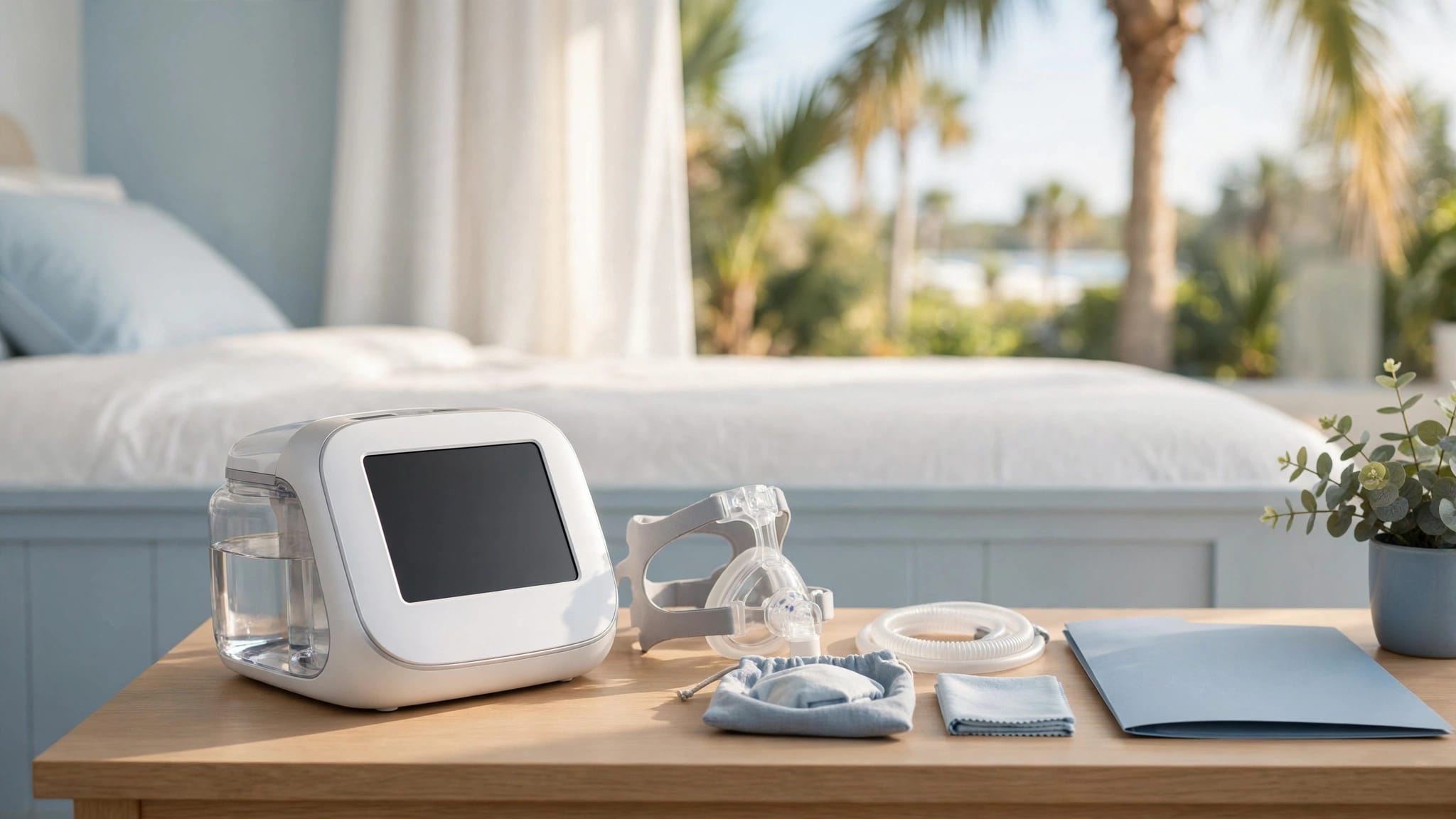
Yes, private health insurance in Florida can cover prescribed CPAP equipment, but coverage depends on your specific plan. CPAP insurance coverage may include the machine and certain supplies, with deductibles, supplier restrictions, and approval requirements affecting what you...

By Castellanos Health Solutions • October 27, 2026
Yes, ACA-compliant individual and small-group health plans in Florida cover maternity and newborn care. However, short-term insurance and limited-benefit policies don't offer the same protections. When choosing maternity coverage in Florida, the biggest differences are often y...

By Castellanos Health Solutions • October 26, 2026
Yes, many private health plans in Florida cover physical therapy, but benefits depend on your specific policy and medical necessity . Physical therapy coverage can still involve deductibles, copays, approval requirements, and visit limits. A covered benefit doesn't mean every...

By Castellanos Health Solutions • October 25, 2026
Yes, many Florida health insurance plans cover urgent-care visits, but coverage depends on your specific policy, the clinic's network status, and the services you receive. A covered visit can still leave you with a copay, deductible, or coinsurance . Florida urgent care covera...

By Castellanos Health Solutions • October 24, 2026
Some private health plans cover hearing aids, while others exclude the devices or offer limited benefits. In Florida, hearing aid insurance coverage depends on your exact policy, including any separate hearing benefit. A covered hearing test doesn't automatically mean the plan...

By Castellanos Health Solutions • October 23, 2026
To find an in-network lab, start with your insurer's directory for your exact plan, then review the location and ordered tests with member services. Network participation and test coverage are separate , so a doctor's order alone doesn't settle both. For Florida residents, a f...

By Castellanos Health Solutions • October 22, 2026
A sudden illness or injury can send you to the nearest emergency department, not the hospital in your plan's network. Florida emergency room coverage depends on your specific plan, but federal protections generally apply to emergency care even when the hospital is out of netwo...
Show More